 HQ Grande Prairie HQ Grandie Prairie is an online news portal aimed at providing latest day to day happenings of the World to its viewers.
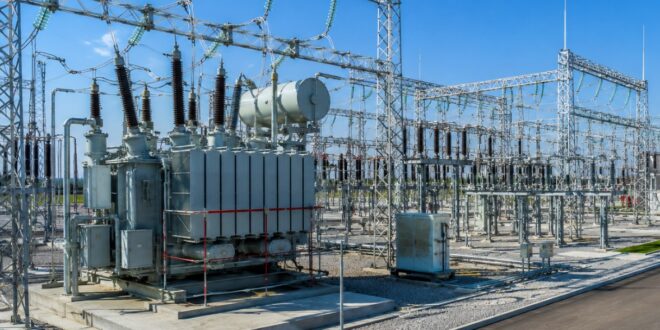
Electrical substations connect different parts of the power network and control how electricity is transformed, protected, and distributed. Their design directly affects network reliability, equipment safety, maintenance access, and the ability to respond to faults.
A well-planned substation must meet current demand while allowing for future growth. Engineers consider voltage levels, load requirements, environmental conditions, available land, protection systems, and operational risks before selecting equipment or developing the final layout.
Managing Voltage and Power Flow
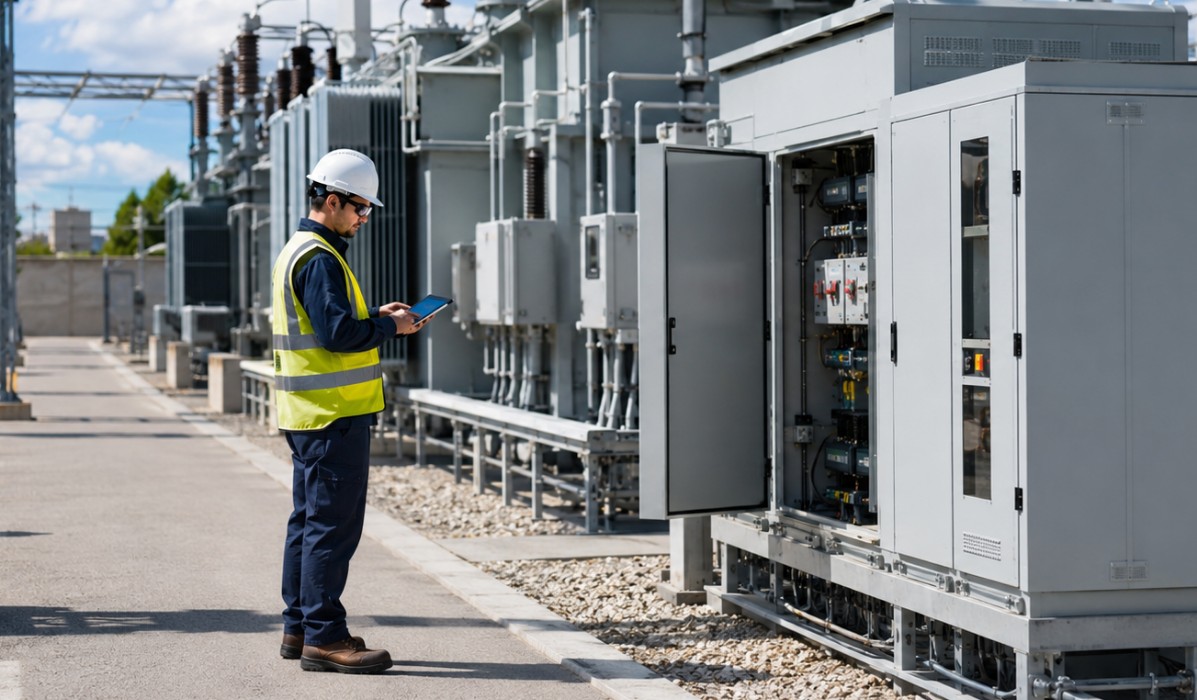
Substations receive electricity at one voltage level and distribute it at another level suitable for transmission, industrial facilities, commercial properties, or local consumers. Transformers perform the main voltage conversion, while switchgear controls and isolates different parts of the network.
Effective electrical substation design requires careful coordination between transformers, circuit breakers, busbars, disconnectors, protection devices, and control systems; read more about how these components are selected and arranged to support dependable power distribution.
Designers calculate expected loads, fault currents, voltage drops, and equipment ratings to ensure every component can operate safely. Equipment that is undersized may overheat or fail, while unnecessary oversizing can increase project costs without providing a meaningful operational benefit.
The layout must also support future expansion. Allowing space for additional feeders, transformers, or switchgear can make later upgrades less disruptive and reduce the need to rebuild major parts of the facility.
Protecting People and Electrical Equipment
Electrical faults can generate dangerous currents, heat, pressure, and arc-flash energy. A substation protection system detects abnormal conditions and isolates the affected section quickly, limiting damage and helping the remaining network continue operating.
Protection relays, current transformers, voltage transformers, and circuit breakers must be coordinated so that the correct device responds to each fault. Poor coordination can disconnect a larger section of the network than necessary or allow a fault to remain active for too long.
Earthing is another critical design element. The earthing system provides a controlled path for fault current and helps manage touch and step voltages within the site. Soil conditions, fault levels, equipment layout, and fence position influence the final earthing design.
Physical safety measures may include secure fencing, warning signs, controlled access, fire separation, oil containment, ventilation, and adequate clearance around energised equipment. These features protect workers, members of the public, and nearby property.
Improving Reliability and Maintenance Access
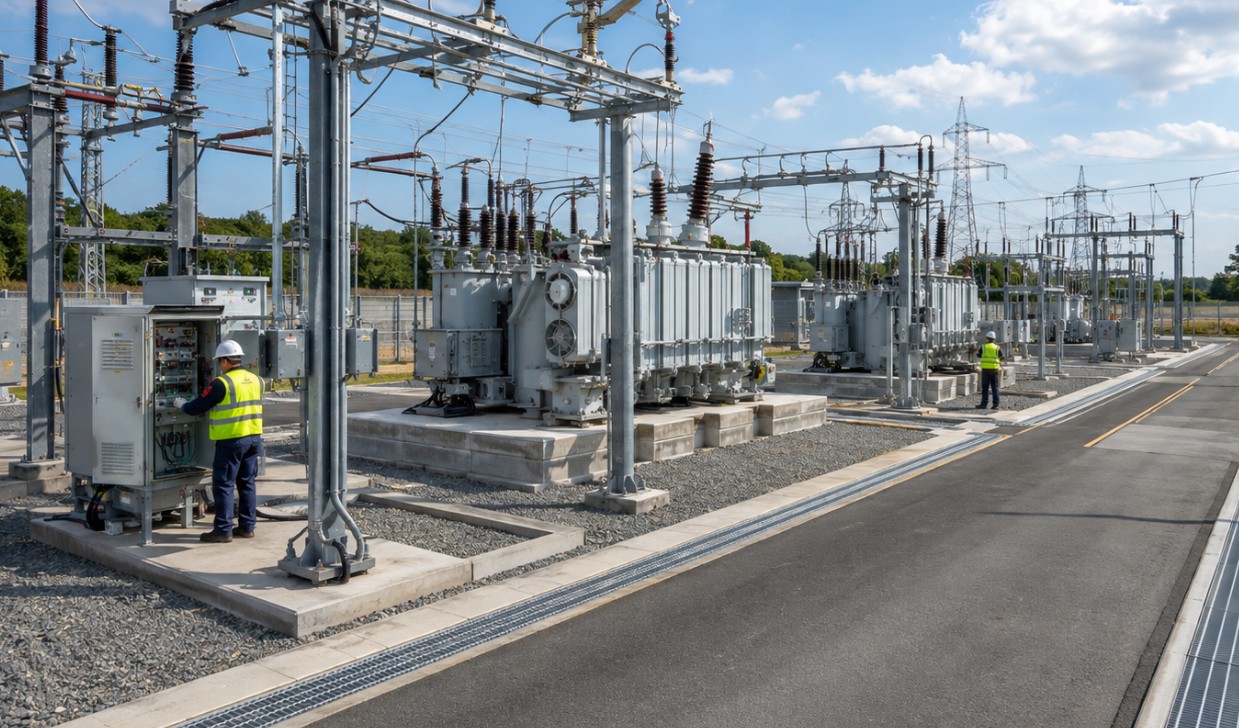
Reliable substations are designed to reduce the effect of individual equipment failures. Depending on the importance of the connected load, the design may include redundant transformers, alternative supply paths, sectionalised busbars, or backup control and communication systems.
Monitoring equipment can provide real-time information about voltage, current, temperature, breaker status, transformer condition, and other operating values. Early identification of unusual conditions allows maintenance teams to respond before a minor issue becomes a major outage.
The physical arrangement should give technicians safe access for inspection, testing, repairs, and equipment replacement. Components that cannot be reached easily may require longer shutdowns and increase maintenance risks.
Environmental factors must also be addressed. Flooding, bushfire exposure, lightning, dust, salt, extreme temperatures, wildlife, and vegetation can affect substation performance. Suitable drainage, equipment enclosures, surge protection, and site management measures improve resilience.
Conclusion
Electrical substation design supports reliable power distribution by controlling voltage, managing power flow, isolating faults, and protecting people and equipment. Every major component must be correctly rated and coordinated with the wider network.
By considering safety, redundancy, maintenance, monitoring, environmental risks, and future expansion from the beginning, engineers can create substations that deliver dependable service and adapt to changing energy demands.